Understanding Down syndrome
Down syndrome is a lifelong human condition that affects around 1 in 1,000 babies born. Children with Down syndrome are born into families from all backgrounds in every country. People with Down syndrome share some characteristics, but they are also individuals who – like all of us – are shaped by their genes and their environment.
In many countries, many people with Down syndrome live fulfilling and enjoyable lives as valued members of their communities and much-loved members of their families. Over the past 50 years, advances in medicine, healthcare and in early intervention and education, together with social change, have transformed outcomes for people with Down syndrome.
<div class="p-4">
    Please enable JavaScript and/or update your browser to view this figure.
</div>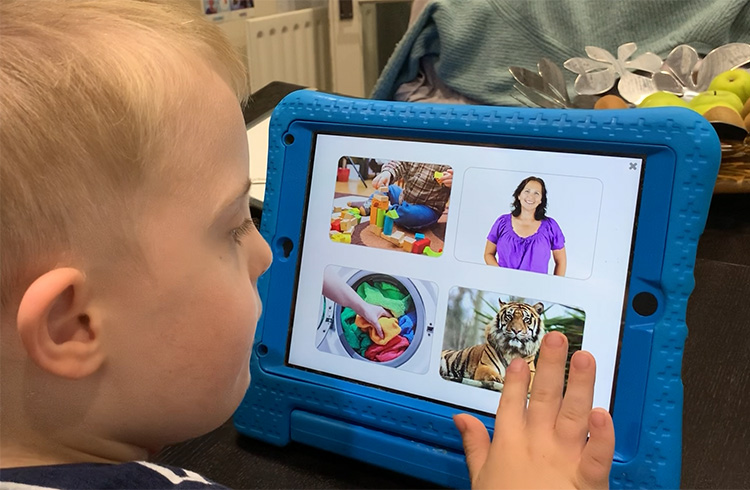
As science has discovered more about the genetic difference and how it impacts development, we have learned more about how best to care for, educate and support people with Down syndrome. Improved medical care, early intervention, adapted teaching practices, and community inclusion are helping young people with Down syndrome today achieve more than once thought possible.
Understanding Down syndrome
- Down syndrome is a lifelong human condition. It influences many aspects of development from conception.
- Children with Down syndrome are born into families from all backgrounds in every country
- Advances in healthcare and education and social inclusion have begun to transform outcomes for people with Down syndrome
Differences seen among people with Down syndrome
TODO: what do we mean by differences? – common (average) differences and individuals
Health and medical issues
TODO: brief summary
Development and learning
TODO: brief summary
How can we help?
TODO